
0%

Choosing Variable Speed Motor Drives is not simply a matter of matching horsepower to a catalog number. The real decision begins with the driven load, its starting torque, speed range, duty cycle, and operating environment. A conveyor carrying uneven boxes behaves differently from a fan moving steady airflow. That difference matters.

Bimal K. Bose, a leading power-electronics authority, described the field this way: “Power electronics is the technology associated with the efficient conversion, control, and conditioning of electric power.” His observation explains why a drive must be evaluated as part of a complete motor system. Voltage, current, motor insulation, acceleration time, braking energy, and control signals all influence performance. A technically suitable drive can still disappoint when cables are too long, cooling is poor, or harmonics disturb nearby equipment.

This guide examines how to compare Variable Speed Motor Drives with practical judgment. It considers motor compatibility, overload capacity, enclosure ratings, communication options, energy performance, maintenance access, and total ownership cost. It also addresses commissioning details, such as tuning parameters and ramp settings, because small errors can create heat, vibration, or nuisance trips.

There is no perfect selection.

Some specifications remain incomplete. Real installations rarely match laboratory conditions. A careful buyer should question optimistic efficiency claims and verify requirements with the manufacturer or a qualified engineer. The best drive is not always the most advanced model. It is the one that delivers stable control, acceptable efficiency, dependable protection, and manageable service over years of operation.
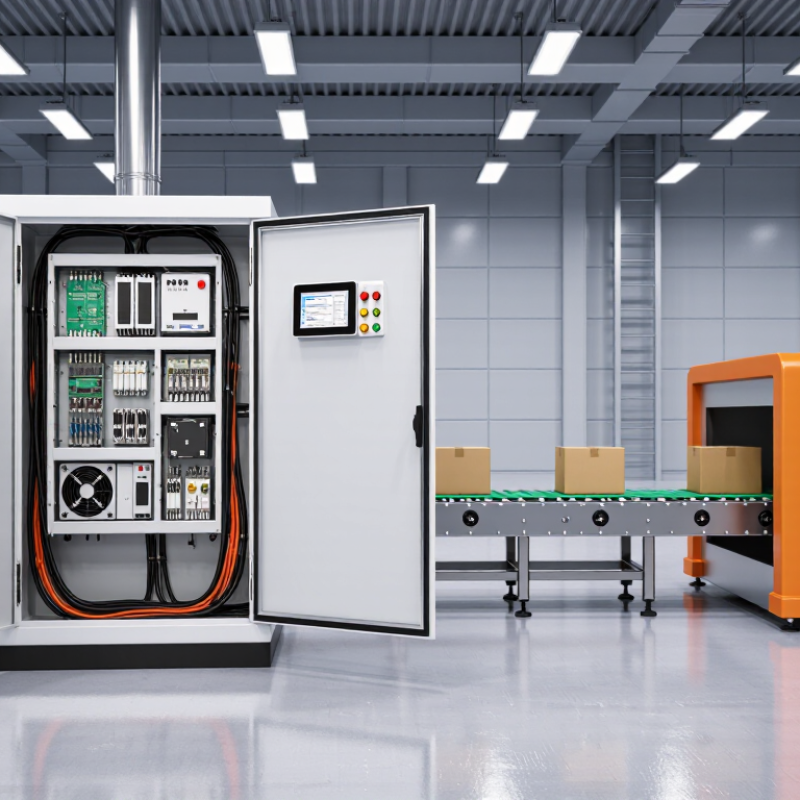
How to Choose Variable Speed Motor Drives?

Define the Application Requirements for a Variable Speed Motor Drive

How to Choose Variable Speed Motor Drives?

Define the Application Requirements for a Variable Speed Motor Drive

Start with the machine, not the drive catalog. Record the motor’s rated voltage, current, power, frequency, and connection type. Confirm whether it uses an induction, permanent-magnet, or other motor design. The drive must match these electrical details precisely.

Describe the real load profile. A conveyor may need steady torque, while a fan usually follows a variable-torque pattern. Note the minimum and maximum speeds, acceleration time, stopping time, and daily operating hours. Include starting conditions, such as a loaded belt or a cold pump. Measure peak current when possible. Guessing can be expensive.

Check the installation environment carefully. Dust, moisture, heat, vibration, and limited cabinet airflow can change the required enclosure and cooling method. Decide whether the application needs braking, reversing, closed-loop feedback, or emergency stopping. Review cable length, grounding, electromagnetic compatibility, and local electrical requirements with a qualified professional.

My first estimate was too optimistic. Real machines often demand more torque during brief transitions than normal calculations show. Leave practical capacity for those moments, but avoid excessive oversizing, which can reduce control quality and increase cost. Keep clear records of every assumption.

Match Motor and Drive Ratings to Load and Power Conditions

How to Choose Variable Speed Motor Drives?

Match Motor and Drive Ratings to Load and Power Conditions

Choosing a variable speed drive starts with the load, not the motor nameplate. Check rated voltage, full-load current, speed range, overload duty, and acceleration time. A drive rated only by horsepower can be misleading. Two motors with identical power ratings may demand different currents during starting or low-speed operation.

The load profile matters more than average power. Pumps and fans often follow variable-torque behavior, while conveyors, mixers, and compressors may require constant torque. The U.S. Department of Energy reports that motor-driven equipment uses about 68% of industrial electricity in the United States. The International Energy Agency also identifies motor systems as major global electricity users. Correct matching can therefore reduce wasted energy and overheating. However, efficiency gains are not automatic. Poor ventilation, excessive starts, or undersized cables can defeat a good selection.

Tips: Compare the drive’s continuous current with the motor’s actual full-load current. Allow extra capacity for high-inertia loads and frequent braking. Confirm incoming voltage, phase, frequency, and fault-current conditions. Review IEC 61800 requirements and local electrical rules. Measure the load before ordering whenever possible. Guessing is expensive.

A practical mistake is treating the largest available drive as the safest choice. Oversizing can weaken low-speed control and increase installation cost. Undersizing is worse. It may trip during a short overload that looked harmless on paper. Field measurements, thermal checks, and a realistic duty cycle usually reveal more than a catalog table. Expect to revise the first selection.

Choose the Control Method and Required Speed Range

Choosing a variable speed motor drive starts with the control method and the real operating speed range. Do not select a drive from horsepower alone. A basic V/f control suits pumps, fans, and conveyors with moderate starting demands. Sensorless vector control offers stronger low-speed torque and tighter regulation. Closed-loop vector control is better for lifting, winding, or positioning, where feedback and precise torque matter. The U.S. Department of Energy’s Improving Motor and Drive System Performance guide highlights that centrifugal fan and pump loads follow affinity laws: reducing speed can cut power sharply, approximately with the cube of speed. That makes accurate speed control valuable.

Define the required range from the machine, not the brochure. A process running between 30 and 50 hertz may need only a modest range. A winding machine may require stable torque below 10 hertz and fast correction during load changes. Field experience shows that a wide advertised range is not automatically useful. Motor cooling, bearing limits, minimum torque, and braking capacity can restrict continuous operation. The International Energy Agency reports that motor-driven systems consume nearly half of global electricity, so poor control choices can become expensive quickly.

Tips: Record minimum, normal, and maximum speeds during actual production. Check torque at low speed, not only rated power. Ask for speed regulation figures under changing loads. Leave engineering margin, but avoid excessive oversizing. I still find this step underestimated. A trial under the harshest load can reveal problems that calculations miss. The final choice should match the duty cycle, feedback needs, acceleration time, and permitted speed band.

The required speed range is a key factor when selecting a variable speed motor drive. Scalar V/Hz control is generally suitable for basic pumps and fans, while sensorless vector and closed-loop vector control provide better low-speed torque and regulation. Servo systems are designed for applications requiring precise positioning and a wide dynamic speed range. Actual performance depends on the motor, load, tuning, cooling, and drive configuration.

Evaluate Protection, Efficiency, Installation, and Environmental Needs

Choosing a variable speed motor drive starts with the duty, not the catalog rating. The U.S. Department of Energy reports that motor systems consume roughly 70% of industrial electricity. Small efficiency errors can therefore become expensive. Review speed range, torque demand, starting cycles, and actual loading. A drive sized only for peak horsepower may waste energy during long periods of light operation. That happens often.

Protection must match the motor and process. Specify overload, short-circuit, phase-loss, stall, and thermal protection. Confirm coordination with upstream breakers and motor cables.

The installation also needs careful attention to grounding, electromagnetic compatibility, ventilation, and cable length. IEC 61800-5-1 provides safety requirements for adjustable speed electrical power drive systems. However, compliance alone does not guarantee reliable operation. A poorly ventilated cabinet can still trip on a cool-looking production floor.

Efficiency depends on the whole system. The International Energy Agency has identified motor-driven systems as major industrial electricity users, making controls and operating profiles important. Measure real load data before selecting energy-saving functions.

In dusty, humid, or corrosive areas, check enclosure ratings, temperature limits, altitude, and cooling methods. In practice, environmental assumptions are easy to miss. A drive installed beside a hot furnace may need derating, stronger filtration, or remote mounting.

Commissioning should record current, temperature, acceleration time, and fault history. Recheck these values after several weeks; the first settings are rarely perfect.

Verify Compatibility, Safety Standards, and Lifecycle Support

How to Choose Variable Speed Motor Drives?

Verify compatibility before comparing price or efficiency. The International Energy Agency reports that motor-driven systems consume roughly half of global electricity. Small selection errors can therefore create large energy and maintenance costs. Check motor voltage, rated current, frequency, insulation, load inertia, braking needs, and feedback signals. Confirm the drive’s enclosure rating for dust, moisture, heat, and vibration. A spreadsheet helps, but it is not enough.

Tips: Request a written compatibility review from the supplier. Test the motor and drive together under the real load. Check IEC 61800-3 for electromagnetic compatibility and IEC 61800-5-1 for electrical safety. Where stopping hazards exist, review IEC 61800-5-2 functional safety requirements. Standards are not universal permission; local regulations still matter. Also ask about harmonic limits and cable length. These details are easy to miss.

Lifecycle support deserves equal attention. The U.S. Department of Energy identifies motor systems as a major industrial electricity load, making service delays expensive. Ask whether spare parts, firmware updates, training, diagnostics, and qualified technicians will remain available for the expected operating life. Get response-time commitments in writing. A low purchase price can hide costly downtime. One imperfect assumption remains common: equipment will operate exactly as the catalogue predicts. Measure actual temperature, vibration, and load behavior after commissioning, then revise the maintenance plan.

FAQS

How should I choose a variable speed motor drive?

Start with the machine’s real speed range and control needs. Do not choose only by horsepower. Record minimum, normal, and maximum operating speeds.

When is basic V/f control suitable?

Basic V/f control usually suits pumps, fans, and conveyors with moderate starting demands. It works well when low-speed torque and precise regulation are not critical. Keep expectations realistic.

When is vector control a better choice?

Sensorless vector control provides stronger low-speed torque and tighter speed regulation. Closed-loop vector control suits lifting, winding, and positioning equipment. Feedback matters when torque must remain precise.

Why is accurate speed control valuable for pumps and fans?

Centrifugal loads can use much less power at reduced speed. Power may decrease approximately with the cube of speed. A small speed reduction can therefore produce a large energy saving.

What operating details should I check before selecting a drive?

Check torque, acceleration time, load inertia, braking needs, and duty cycle. Review motor voltage, current, frequency, insulation, and feedback signals. Test low-speed torque, not rated power alone.

Can a wide advertised speed range guarantee good performance?

No. Motor cooling, bearings, minimum torque, and braking capacity may limit continuous operation. A winding machine may need stable torque below 10 hertz. The brochure cannot reveal everything.

How can I verify motor and drive compatibility?

Request a written compatibility review from the supplier. Test the motor and drive together under the actual load. Check enclosure protection against dust, moisture, heat, and vibration.

Which safety and installation details deserve attention?

Review electromagnetic compatibility, electrical safety, and functional safety requirements. Check harmonic limits and cable length. Local regulations still apply. Standards are not universal permission.

What lifecycle support should I expect?

Confirm spare parts, firmware updates, training, diagnostics, and qualified technicians. Request service response times in writing. A low purchase price can hide expensive downtime.

How should performance be checked after commissioning?

Measure temperature, vibration, load behavior, and actual speed. Compare results with the design assumptions. A spreadsheet can miss real problems. Revise the maintenance plan when evidence changes.

Conclusion

Choosing Variable Speed Motor Drives begins with a clear understanding of the application. Identify the required motor speed range, torque characteristics, acceleration and deceleration needs, operating cycles, and the type of load being controlled. The motor and drive should then be matched according to power, voltage, current, frequency, and overload requirements, while also considering the available electrical supply and possible changes in load conditions.

Next, select a suitable control method, such as basic speed control or more advanced torque and feedback control, depending on the required performance and precision. Evaluate energy efficiency, protection features, installation space, cooling, noise, dust, moisture, and temperature conditions. Finally, confirm that the complete system meets applicable safety and compatibility standards, supports reliable commissioning and maintenance, and offers practical lifecycle support. A careful, application-focused selection can improve performance, reduce operating costs, and extend equipment service life.

Amelia

Amelia

Amelia is a professional marketing specialist with a strong understanding of product strategy, customer needs, and digital communication. As a valued member of the company, she regularly contributes expert articles to the corporate blog, sharing practical insights, industry knowledge, and helpful......